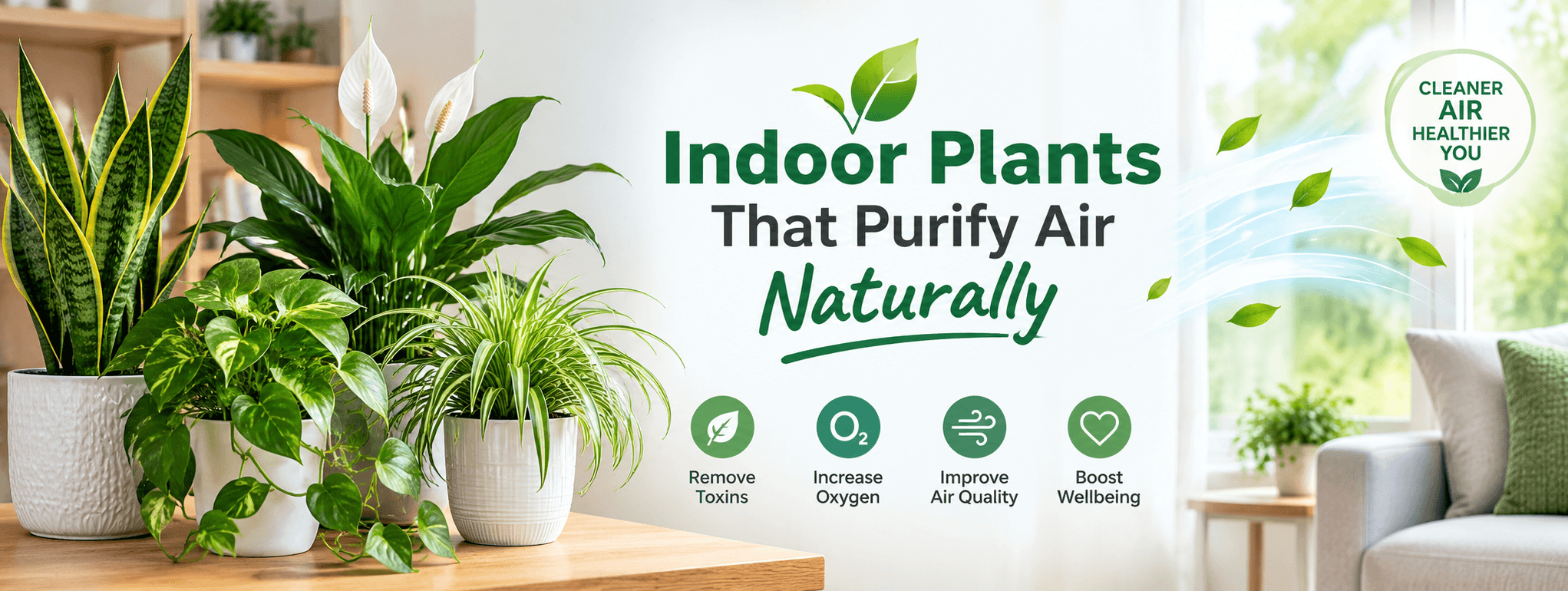
Struggling with stuffy rooms, lingering odors, or poor indoor air quality? Everyday items like furniture, paint, and cleaning sprays release invisible toxins into your living space. Left unchecked, stagnant indoor air can cause fatigue, headaches, and dry throat. Fortunately, nature offers a proven solution: vibrant indoor plants that purify air naturally while transforming your décor.
Understanding Indoor Air Pollution and Botanical Purification
Indoor spaces often trap harmful compounds known as Volatile Organic Compounds (VOCs). Common pollutants include formaldehyde, benzene, xylene, and toluene, which off-gas from synthetic carpets, adhesives, and electronics.
Houseplants filter these air pollutants through micro-pores on their leaves called stomata. During respiration, plants absorb gas molecules, convert them into harmless organic nutrients, and release clean oxygen back into the atmosphere. Beneficial soil microbes attached to plant root systems also absorb toxic trace chemicals, providing continuous filtration.
1. Snake Plant (Sansevieria trifasciata)
The Snake Plant, or Mother-in-Law’s Tongue, tops the list of effective indoor plants that purify air naturally. Its tall, architectural leaves store moisture, making it exceptionally drought-tolerant and hardy for beginner growers.
Unlike most house plants, Snake Plants convert carbon dioxide into oxygen during the night. This unique metabolic process makes them ideal bedroom companions for cleaner evening air. They clear benzene, formaldehyde, and xylene with minimal maintenance.
- Light Requirements: Low to bright indirect sunlight.
- Watering Schedule: Every 2–3 weeks; allow soil to dry completely.
- Toxicity: Mildly toxic to cats and dogs if ingested.
2. Spider Plant (Chlorophytum comosum)
Spider Plants are resilient, fast-growing choices for hanging baskets and elevated shelves. They feature cascading arching leaves with bright green and white stripes, producing small plantlets that are easy to propagate.
Research by environmental scientists, including historic findings from the NASA Clean Air Study published by the National Aeronautics and Space Administration, highlights how foliage removes carbon monoxide and formaldehyde. Spider Plants are non-toxic, making them perfectly safe for homes with curious pets.
- Light Requirements: Medium to bright indirect light.
- Watering Schedule: Once a week when top inch of soil feels dry.
- Toxicity: Non-toxic to dogs and cats.
3. Peace Lily (Spathiphyllum)
Peace Lilies combine elegant dark green foliage with striking white floral spathes. They serve as visual indicators for moisture needs, dropping slightly when thirsty and rebounding quickly after watering.
These flowering botanical cleaners trap airborne mold spores and absorb volatile gases like ammonia and trichloroethylene. Their broad leaves naturally boost humidity levels in dry indoor environments, reducing dust accumulation.
- Light Requirements: Low to medium indirect shade.
- Watering Schedule: Keep soil consistently moist, but not soggy.
- Toxicity: Toxic to pets; keep out of reach.
4. Pothos (Epipremnum aureum)
Pothos, often called Devil’s Ivy, features heart-shaped leaves with golden or white variegation. It thrives in hanging pots or climbing up moss poles, growing several feet with minimal care.
Pothos excels at removing household formaldehyde and benzene from enclosed rooms. It survives occasional missed waterings and fluorescent office lighting, making it a reliable air-cleansing option for busy homeowners.
- Light Requirements: Tolerates low light; thrives in indirect sun.
- Watering Schedule: Water when top 2 inches of soil dry out.
- Toxicity: Toxic to household pets.
5. Boston Fern (Nephrolepis exaltata)
Boston Ferns offer lush, feathery fronds that bring rich texture to living rooms and bathrooms. They perform best in high-humidity areas with stable ambient temperatures.
These classic ferns serve as powerful natural humidifiers while removing xylene and formaldehyde. Their dense leaf canopy traps floating dust particles, helping maintain fresher indoor spaces.
- Light Requirements: Bright, filtered indirect light.
- Watering Schedule: Water frequently to maintain light soil moisture.
- Toxicity: Non-toxic to cats and dogs.
6. Rubber Tree (Ficus elastica)
The Rubber Tree features thick, glossy leaves in deep green and burgundy shades. Its upright growth habit adds a strong visual presence to room corners and hallways.
Its large leaf surface area maximizes gas exchange, making it efficient at absorbing indoor airborne toxins. The sturdy leaves filter formaldehyde from indoor furniture finishes while generating generous amounts of oxygen.
- Light Requirements: Bright, indirect sunlight.
- Watering Schedule: Allow top half of soil to dry between waterings.
- Toxicity: Mildly toxic to pets.
7. Aloe Vera (Aloe barbadensis miller)
Aloe Vera is a compact succulent renowned for the cooling gel inside its fleshy leaves. It is a practical addition to sunny kitchen windowsills and sunrooms.
Aloe absorbs benzene and formaldehyde produced by household cleaners and paints. The leaves develop small brown spots when pollutant levels in the room are unusually high, acting as a visual warning signal.
- Light Requirements: Direct, bright sunlight.
- Watering Schedule: Water deeply every 2–3 weeks during warm seasons.
- Toxicity: Toxic to pets if chewed.
8. ZZ Plant (Zamioculcas zamiifolia)
The ZZ Plant boasts smooth, waxy leaflets that reflect light, giving it a bright sheen. It tolerates deep shade and extended periods without water due to its underground rhizomes.
It efficiently removes xylene, toluene, and ethylbenzene from indoor air. Its resilience makes it an ideal plant for low-lit offices, windowless hallways, or basement rooms.
- Light Requirements: Low to bright indirect light.
- Watering Schedule: Water every 3–4 weeks; avoid overwatering.
- Toxicity: Toxic to pets and humans if ingested.
9. English Ivy (Hedera helix)
English Ivy is a versatile climbing vine that creates beautiful green displays on trellises or suspended baskets. It thrives in cooler room temperatures with steady airflow.
Studies documented by the Royal Horticultural Society highlight its ability to capture particulate matter. English Ivy reduces airborne fecal particles and mold spores, making it helpful for allergy sufferers.
- Light Requirements: Bright, indirect light.
- Watering Schedule: Water when soil surface feels dry to touch.
- Toxicity: Toxic to pets and livestock.
10. Chrysanthemum (Chrysanthemum morifolium)
Florist’s Chrysanthemums display vibrant blooms in yellow, orange, pink, and white. They add colorful seasonal accents to tabletop centerpieces and patio entries.
In terms of air purification, Chrysanthemums remove benzene, formaldehyde, xylene, and ammonia. Placing them near bright windows encourages longer blooming periods while purifying indoor spaces.
- Light Requirements: Bright, direct morning sun.
- Watering Schedule: Keep soil evenly moist; do not allow roots to dry out.
- Toxicity: Highly toxic to pets.
Quick Comparison: Top Air-Purifying Plants
| Plant Name | Air Toxins Removed | Maintenance Level | Pet Friendly? | Ideal Placement |
| Snake Plant | Formaldehyde, Benzene, Xylene | Very Low | No | Bedroom, Office |
| Spider Plant | Carbon Monoxide, Formaldehyde | Low | Yes | Living Room, Hanging Pots |
| Peace Lily | Ammonia, Trichloroethylene, Mold | Medium | No | Bathroom, Low-Light Room |
| Pothos | Benzene, Formaldehyde | Low | No | Shelves, Kitchen |
| Boston Fern | Formaldehyde, Xylene | Medium–High | Yes | Humid Bathroom, Sunroom |
| Rubber Tree | Formaldehyde, Dust | Low–Medium | No | Living Room Corners |
| Aloe Vera | Formaldehyde, Benzene | Low | No | Kitchen Windowsill |
| ZZ Plant | Xylene, Toluene | Very Low | No | Basement, Low-Light Office |
| English Ivy | Airborne Mold, Particulate Matter | Medium | No | Cool Sunroom, Porch |
| Chrysanthemum | Ammonia, Benzene, Formaldehyde | Medium | No | Bright Windowsill |
How to Maximize Air Purification in Your Home
To maintain healthy growth and ensure your indoor plants that purify air naturally work efficiently, follow these best practices:
- Placement Density: Aim for 2–3 medium-sized plants per 100 square feet of living space to achieve noticeable air cleaning benefits.
- Dusting Leaves: Wipe glossy leaves with a damp cloth every two weeks. Dust blocks sunlight and clogs stomata pores, reducing air filtration efficiency.
- Proper Drainage: Choose pots with bottom drainage holes to prevent root rot and anaerobic bacteria growth in stagnant soil.
- Optimal Airflow: Place plants near natural air currents—such as open hallways or near fans—to maximize pollutant exposure.
- Organic Soil Care: Use rich, organic potting soil mixed with perlite to maintain healthy root systems and soil microbiome activity.
Frequently Asked Questions
Which indoor plants that purify air naturally work best in bedrooms?
Snake Plants and Peace Lilies are ideal choices for bedrooms. Snake Plants release fresh oxygen during the night, while Peace Lilies increase ambient humidity levels to aid restful sleep.
How many houseplants do I need to clean a room?
Environmental guidelines suggest placing 2 to 3 plants per 100 square feet. A standard 300-square-foot living room benefits from 6 to 9 healthy houseplants distributed across different locations.
Can air-purifying plants replace HEPA air filters?
Houseplants complement HEPA filters by absorbing volatile organic compounds (VOCs) and generating oxygen. However, mechanical HEPA filters clear large dust volumes and smoke particles much faster.
Are all air-purifying houseplants safe for pets?
No. While Spider Plants and Boston Ferns are non-toxic, options like Peace Lilies, Pothos, and Snake Plants are harmful if chewed by dogs or cats. Always verify pet toxicity ratings before buying.
Do air-cleaning plants require direct sunlight?
Most air-purifying varieties prefer bright, indirect sunlight. Options like ZZ Plants and Pothos adapt well to low light, whereas succulents like Aloe Vera require direct sunshine.
How do plants clean formaldehyde from house air?
Plants pull formaldehyde in through leaf stomata during normal gas exchange. Enzymes inside plant tissues break the formaldehyde down into harmless sugars and amino acids.